Specialty Finishes in Naples, Florida
For projects that call for something beyond conventional painting — layered, textural, atmospheric, and richly detailed finishes for homeowners who want their space to feel considered, not standard.
A Different Standard of Finish
Some rooms and pieces call for more than a coat of paint — a ceiling meant to catch light, a piece of cabinetry meant to feel like furniture, a color that doesn't exist on a standard fan deck. Specialty finishes are where Color Gray Painting's deepest expertise lives: the surface preparation, environmental control, and application precision that separate a considered result from an ordinary one.
High-Gloss Finishes
High-gloss coatings create dramatic, reflective surfaces that demand exceptional preparation and application. A mirror-level finish reflects everything — which means every surface must be refined, sanded, and sealed to a standard most painters never attempt before the first coat goes on.
Depending on the substrate and coating system, our high-gloss process may involve multiple build coats, intercoat sanding, controlled curing, and final polishing.
Limewash — Soft, Mineral, and Naturally Organic
Limewash creates a uniquely atmospheric finish characterized by subtle movement, tonal variation, and a soft, mineral appearance. Rather than forming a perfectly uniform film like conventional paint, limewash develops visual depth through the interaction of pigment, mineral material, application technique, and the surface beneath it.
The finish can be kept understated and organic or developed into a more pronounced, layered appearance depending on the color, application, and desired character of the room.
Venetian Plaster — Depth Created by Hand
Venetian plaster is a decorative plaster finish capable of producing surfaces ranging from softly clouded and organic to highly refined and polished.
The character of the finished surface develops through the application of multiple thin layers, compression, burnishing, and careful manipulation of the material. Unlike a printed texture or faux-finish wallpaper, the movement exists within the material itself.
Venetian plaster can be developed into a variety of appearances, from subtle matte surfaces with restrained movement to highly polished finishes with pronounced depth and reflection.
Possible characteristics:
Waxing — Depth, Protection, and Sheen
Wax can be incorporated into certain decorative plaster and specialty-finish systems to alter the appearance of the surface, enhance depth, and, depending on the product, provide an additional level of protection.
The final appearance can range from softly lustrous to highly polished, depending on the material, application, and amount of burnishing performed after waxing.
Stenciled Patterns — The Look of Wallpaper, Created by Hand
Pattern doesn't have to come from wallpaper.
Using carefully positioned stencils, layered color, sponging, glazing, burnishing, and other hand-applied techniques, we can create decorative wall patterns that evoke the character of traditional wallpaper while remaining fully integrated into the painted surface.
Patterns can be understated and tonal or highly decorative and dramatic, depending on the architecture and design direction of the room.
Stenciled finishes can be used to create:
Layering Creates the Illusion
A convincing decorative finish rarely comes from a single color or a single application.
We can build pattern and depth through multiple techniques, including sponging, glazing, tonal layering, controlled distressing, burnishing, and selective waxing.
The individual layers interact to create variation that gives the finished wall a more dimensional, handcrafted appearance.
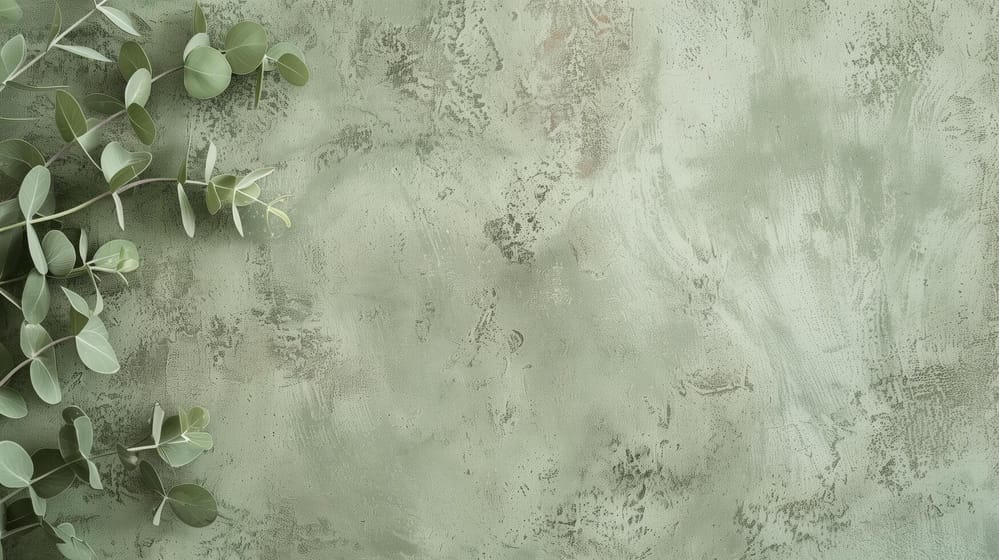
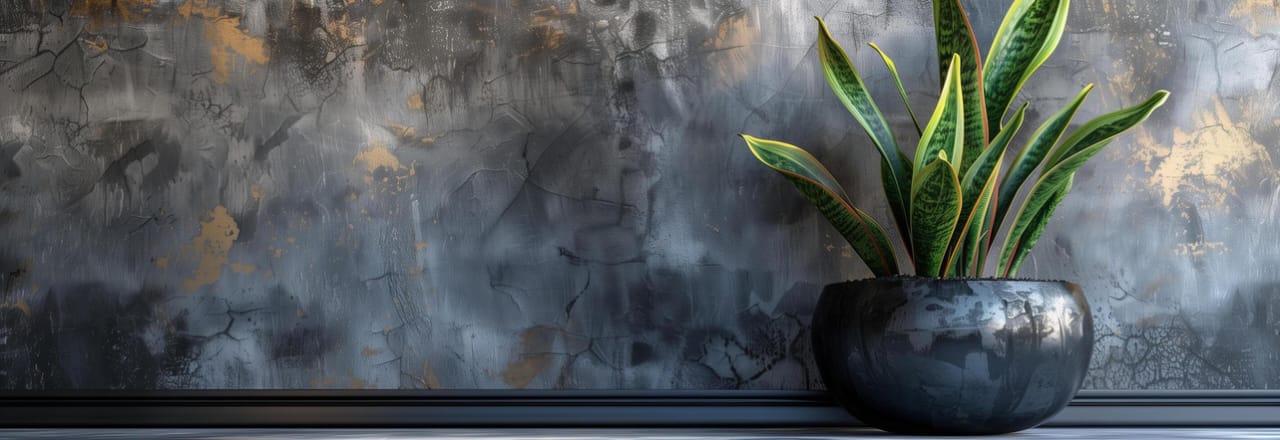
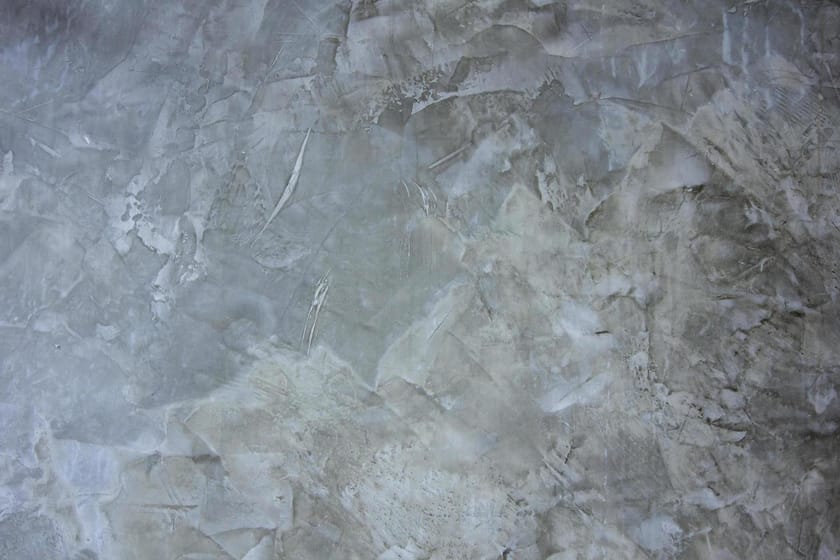
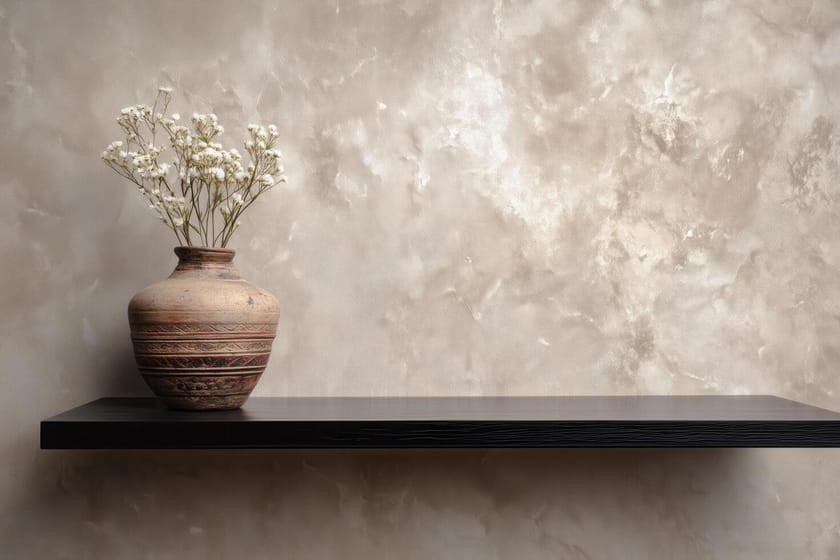
Special Finish Samples
A closer look at how limewash, Venetian plaster, stenciling, and high-gloss coatings actually appear up close — the tonal movement, texture, and depth that photos of a finished room don't always capture.


Designed for the Architecture
Specialty finishes don't have to cover every wall in a room.
A decorative treatment can be used selectively to emphasize an architectural feature, create a focal point, define a dining room, frame a fireplace, transform a ceiling, or create a dramatic entry.
The goal is not simply to make a wall more decorative. It is to make the finish belong to the space.
Finishes Can Be Layered and Combined
Limewash, plaster, stenciling, sponging, burnishing, and waxing are not necessarily separate treatments. Depending on the desired result, techniques can be combined to create a finish that is entirely unique to the project.
A tonal plaster foundation, for example, can become the canvas for a subtle stenciled pattern. A decorative pattern can be softened through sponging or layered color. A plaster surface can be burnished and selectively waxed to introduce areas of greater depth and reflection.
From Subtle to Dramatic
Quiet
Soft limewash, restrained movement, natural mineral variation.
Refined
Layered Venetian plaster with controlled tonal depth.
Decorative
Tonal stenciling and hand-applied pattern.
Dramatic
Highly polished plaster, pronounced pattern, or multiple layered techniques.
Your Finish Begins With a Conversation
Decorative finishes are difficult to choose from a small paint chip. The appearance can change dramatically depending on the scale of the room, natural light, artificial lighting, surrounding colors, architecture, and the level of movement or sheen desired.
During the consultation, we discuss the atmosphere you're trying to create and determine which materials and techniques can best achieve it. Where appropriate, samples can be developed so the finish can be evaluated in relation to the space.
Custom Samples
When a project calls for a highly specific appearance, we can develop sample variations to explore color, movement, texture, pattern, sheen, and layering before committing to the finished wall. This allows the finish to be refined before it becomes part of the room.
Specialty Finish FAQs
What is limewash?
Limewash is a mineral-based finish that creates soft tonal variation and an organic, atmospheric appearance.
What is Venetian plaster?
Venetian plaster is a decorative plaster technique capable of producing surfaces ranging from softly textured and clouded to highly polished and reflective.
Can Venetian plaster be highly polished?
Yes. Certain plaster systems can be progressively compressed and burnished to create a smooth, polished surface with significant depth and variation.
Can you create a wallpaper look with paint?
Yes. Through custom stenciling, layering, sponging, glazing, and other decorative techniques, painted surfaces can be developed with repeating patterns inspired by the visual character of wallpaper.
Can you create a custom pattern?
Yes. Patterns can be selected or developed around the design direction, scale, architecture, and desired character of the room.
Can specialty finishes be used on ceilings?
Yes. Decorative finishes can be used on ceilings as well as walls, although the appropriate material and technique depend on the desired appearance and existing surface.
Are specialty finishes perfectly uniform?
Not necessarily. Many decorative finishes are intentionally developed with tonal variation and movement. The desired degree of variation is part of the design conversation.
Imperfection Can Be Part of the Design
Unlike conventional paint, many decorative finishes are valued for their variation. Subtle changes in tone, texture, movement, and reflection give the surface its character.
The objective isn't to make every square inch identical.
The objective is to create intentional variation that feels natural, sophisticated, and appropriate to the space.