High-Gloss Painting in Naples, Florida
Zero Room for Imperfections. High-gloss finishes transform ordinary architectural surfaces into dramatic, reflective features. They also reveal everything beneath them. Every imperfection, transition, sanding mark, repair, and inconsistency becomes more visible as the sheen increases. At The Color Gray Painting, high-gloss work is approached as a specialty finish—not a conventional paint job. Meticulous surface preparation, controlled application, premium coatings, and careful inspection are essential to achieving the refined result these finishes demand, sometimes (but not always) including a final polish.
A High-Gloss Finish Is Not a Repaint
A conventional wall can hide minor surface variations. A high-gloss finish does the opposite—it emphasizes them. That is why the quality of a high-gloss project is determined long before the final coat is sprayed. Substrate correction, sanding, priming, re-sanding, coating selection, application technique, curing, and final inspection all contribute to the finished appearance. The finish you see is the result of everything that happened before it.
This is the standard we bring to statement walls, ceilings, trim, built-ins, and any surface where the finish itself is the point — not just the color.
The Surface Determines the Finish
High gloss does not forgive.
Increased reflectivity makes surface imperfections significantly easier to see. Drywall joints, sanding scratches, repairs, texture variations, dents, ridges, and inconsistent substrate conditions can become visually obvious once a reflective coating is applied.
Our preparation process is therefore designed around the final appearance—not simply around getting paint onto the wall.
Surface Correction
Addressing imperfections before coating.
Skim Coating
Where appropriate, refining wall or ceiling surfaces to establish a more uniform substrate.
Progressive Sanding
Sanding between stages to refine the surface rather than relying on the finish coat to hide defects.
Priming
Establishing an appropriate foundation for the selected coating system.
Inspection
Examining surfaces before the final application rather than discovering imperfections afterward.
High-Gloss Ceilings
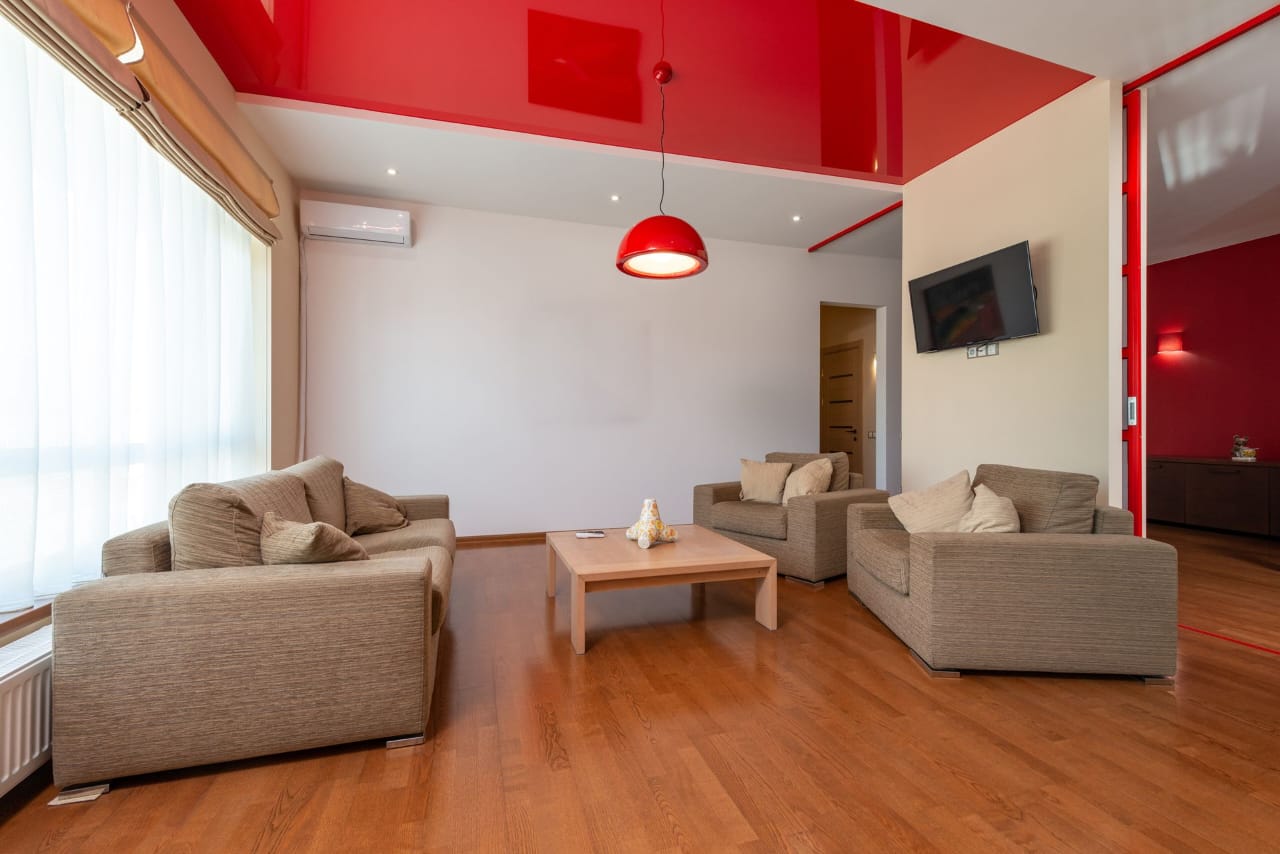
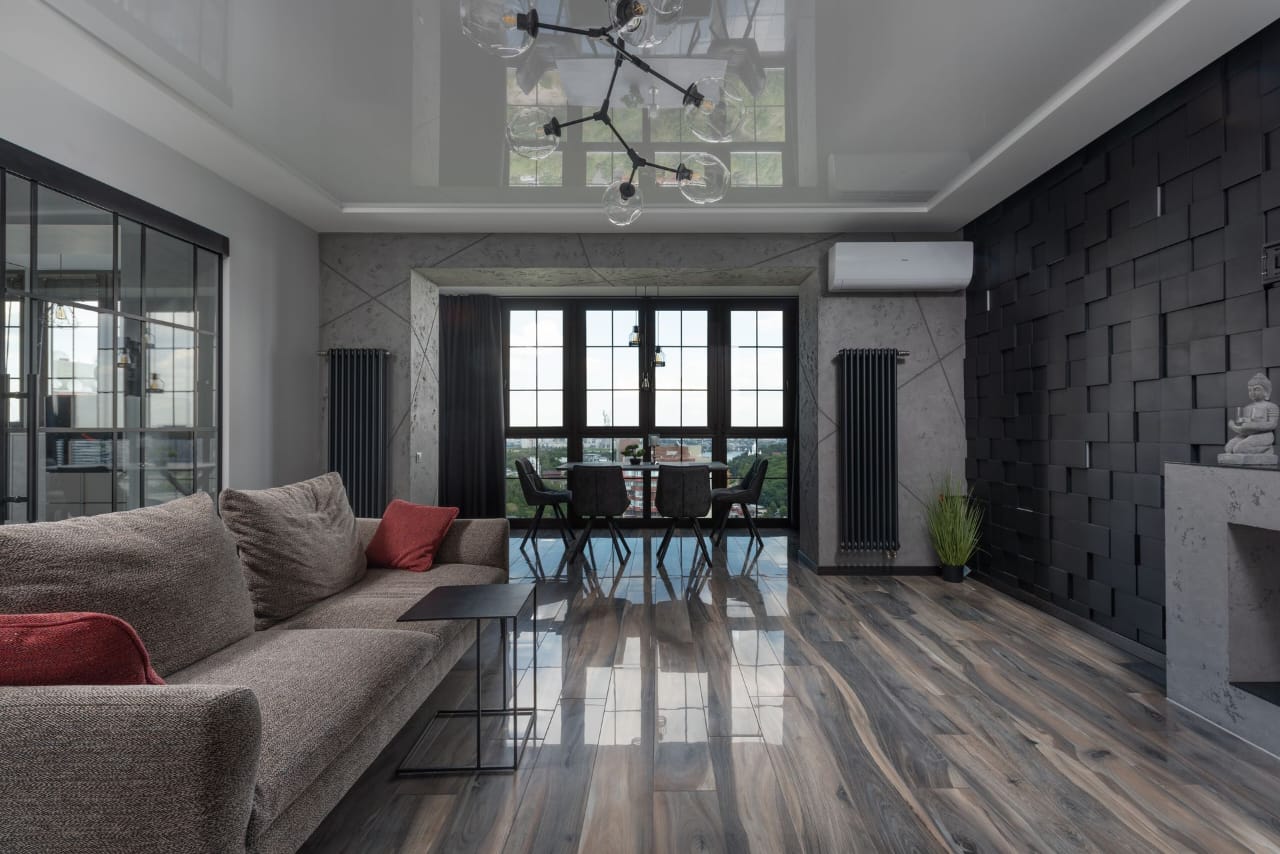
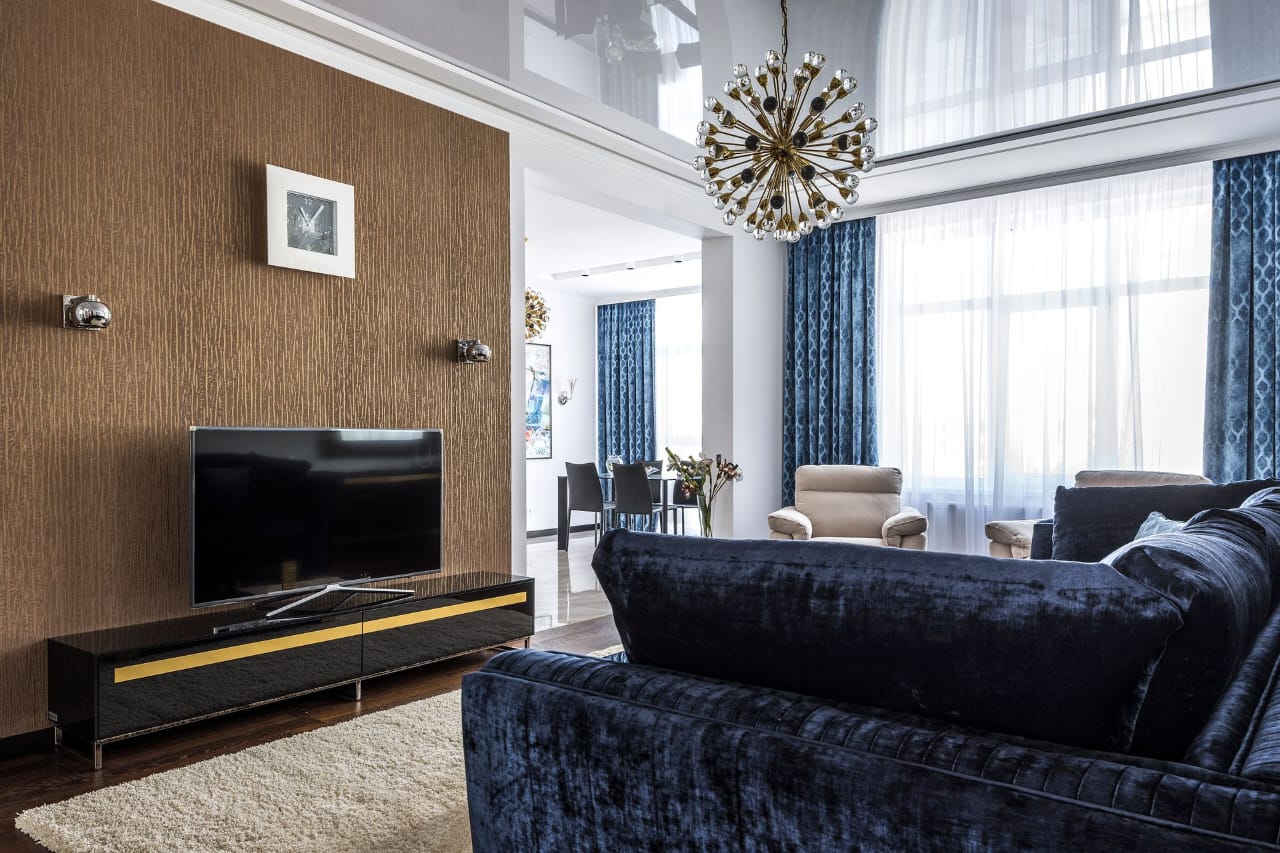
A high-gloss ceiling can dramatically change the character of a room, creating depth, reflection, and a distinctly architectural appearance.
It can also be one of the most unforgiving surfaces to finish. Light from windows, recessed fixtures, chandeliers, and surrounding surfaces can reveal even subtle variations.
We approach high-gloss ceilings with the same attention given to walls and architectural millwork: surface correction, controlled preparation, professional application, and detailed inspection.
High-Gloss Walls
High-gloss walls can create a bold, dramatic architectural statement while reflecting light throughout the space. Dark colors can produce an especially dramatic effect, while lighter colors can create a cleaner, more luminous appearance.
Because reflective surfaces amplify imperfections, the preparation and application process must be approached differently from a conventional wall repaint.
Why High Gloss Is So Unforgiving
The higher the sheen, the less room there is for error.
Controlled Spray Application
High-gloss coatings require controlled application to achieve consistent coverage and appearance. Depending on the coating system and project requirements, professional spray equipment can provide the atomization and application control necessary for a refined finish.
But equipment is only one part of the equation. Spraying a high-gloss coating does not make a surface high quality. Preparation determines what the spray application has to work with.
Not Every Gloss Finish Is a High-Gloss Finish
Sheen exists on a spectrum. Satin, semi-gloss, gloss, and high gloss can produce dramatically different visual effects.
A high-gloss finish is selected intentionally when reflection and visual impact are part of the design—not simply because a homeowner wants something "shinier." During the consultation, we help determine:
High-Gloss Applications
Walls
Statement walls and entire rooms finished in dramatic reflective sheens.
Ceilings
Architectural ceilings designed to reflect light and create visual depth.
Millwork
Doors, trim, paneling, built-ins and other architectural details.
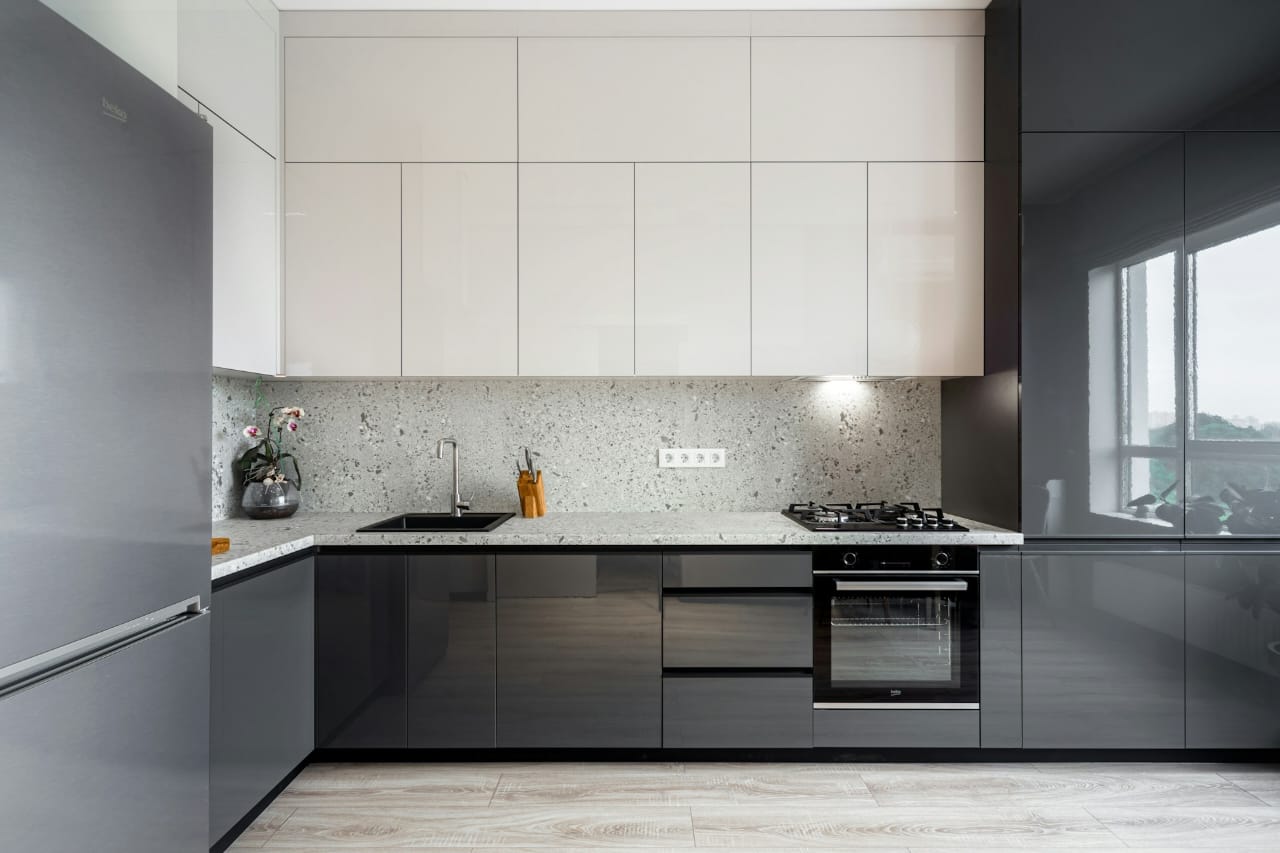
Cabinetry
High-sheen cabinetry when the substrate and coating system are appropriate.
Specialty Surfaces
Selected furniture and architectural elements requiring a more distinctive finish.
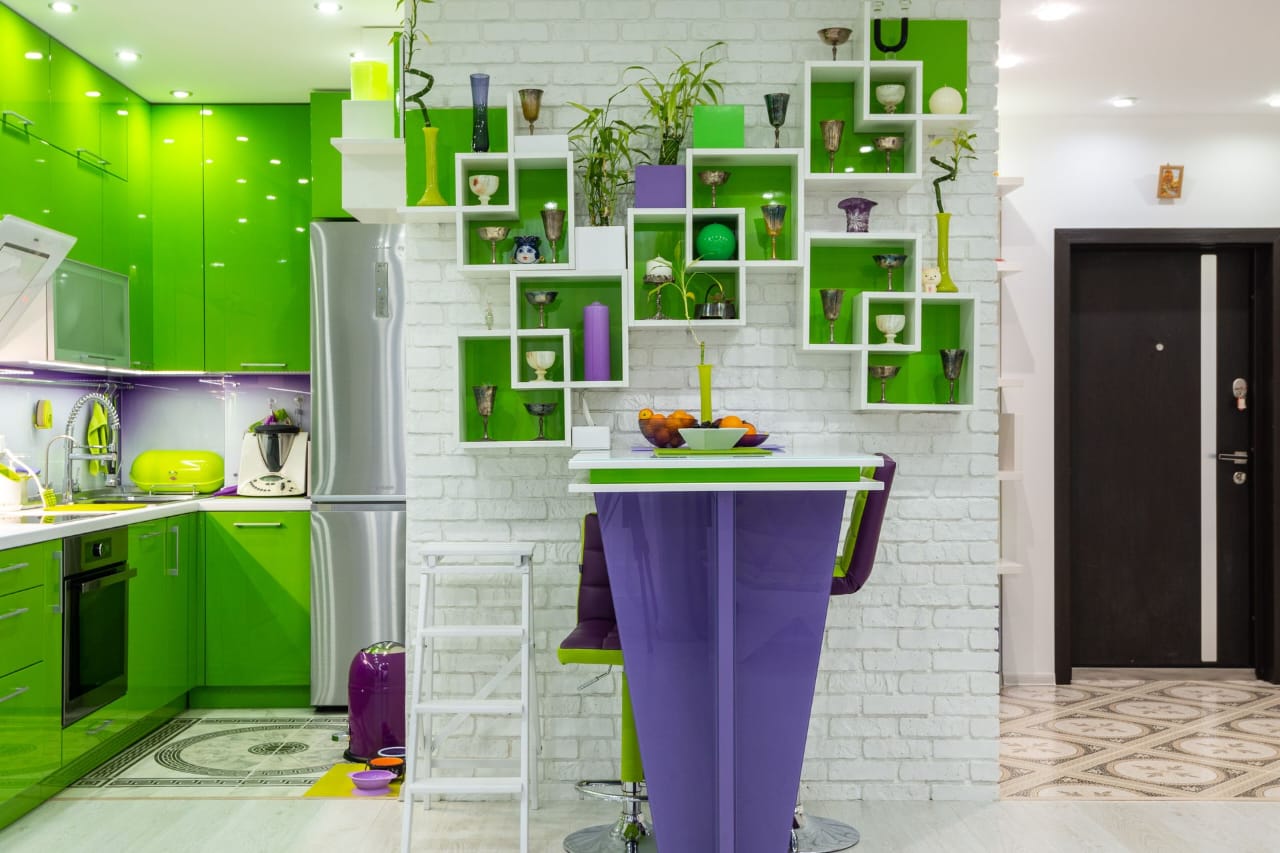
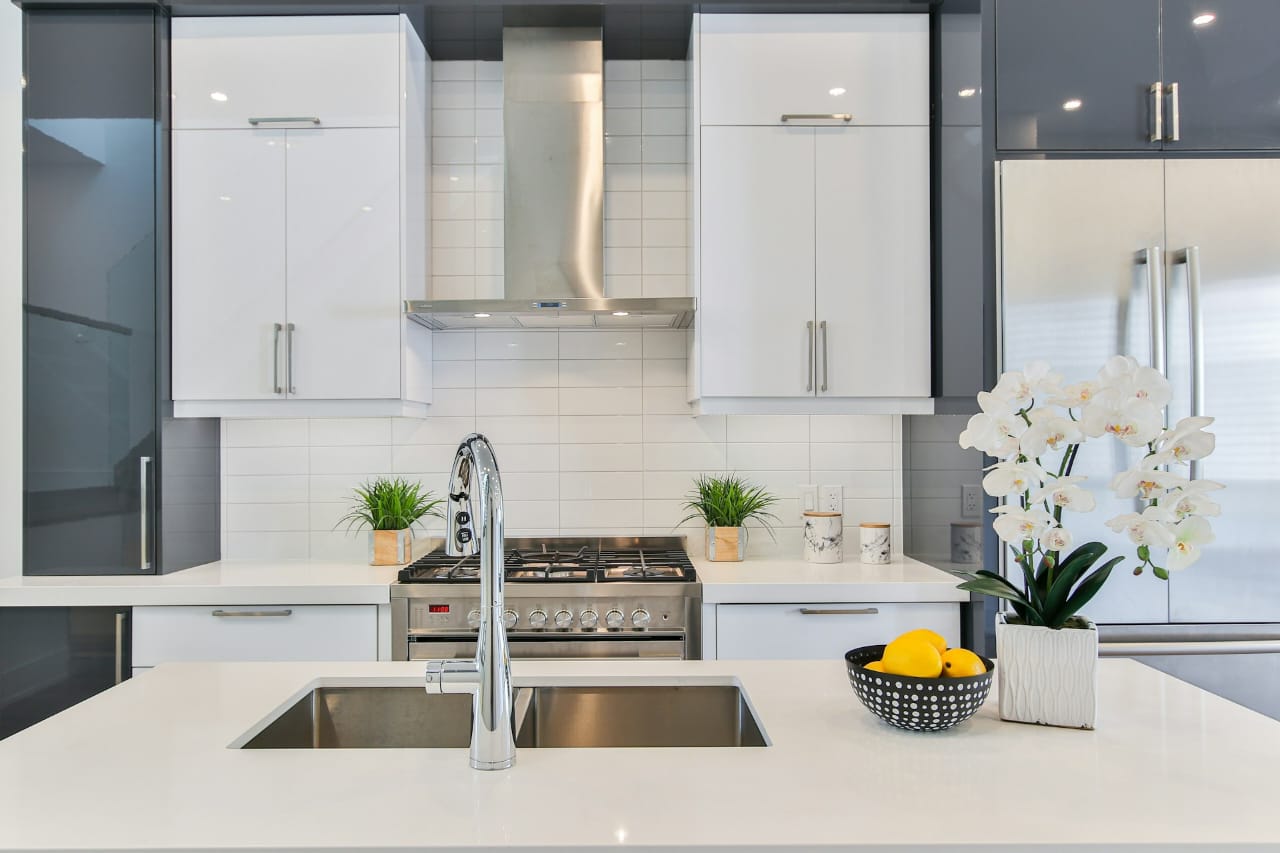
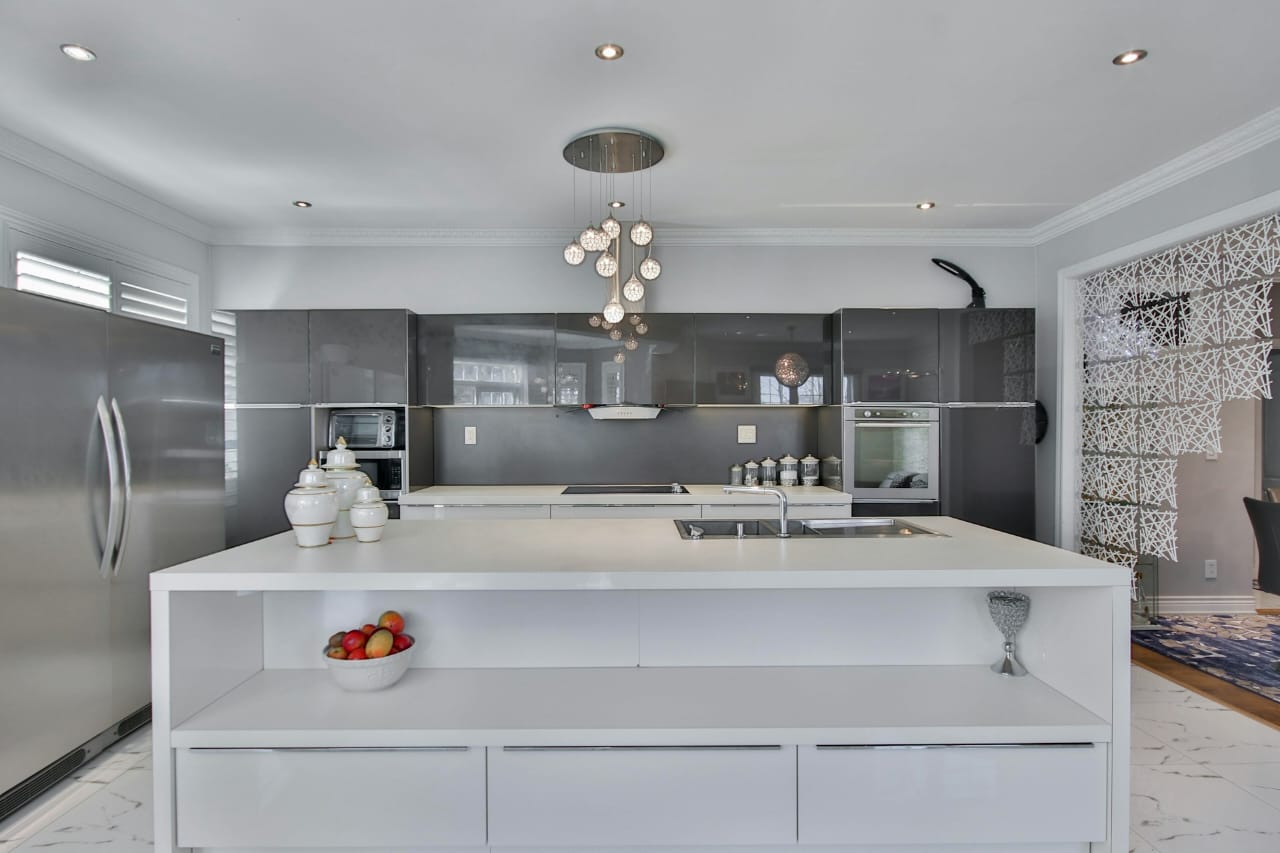
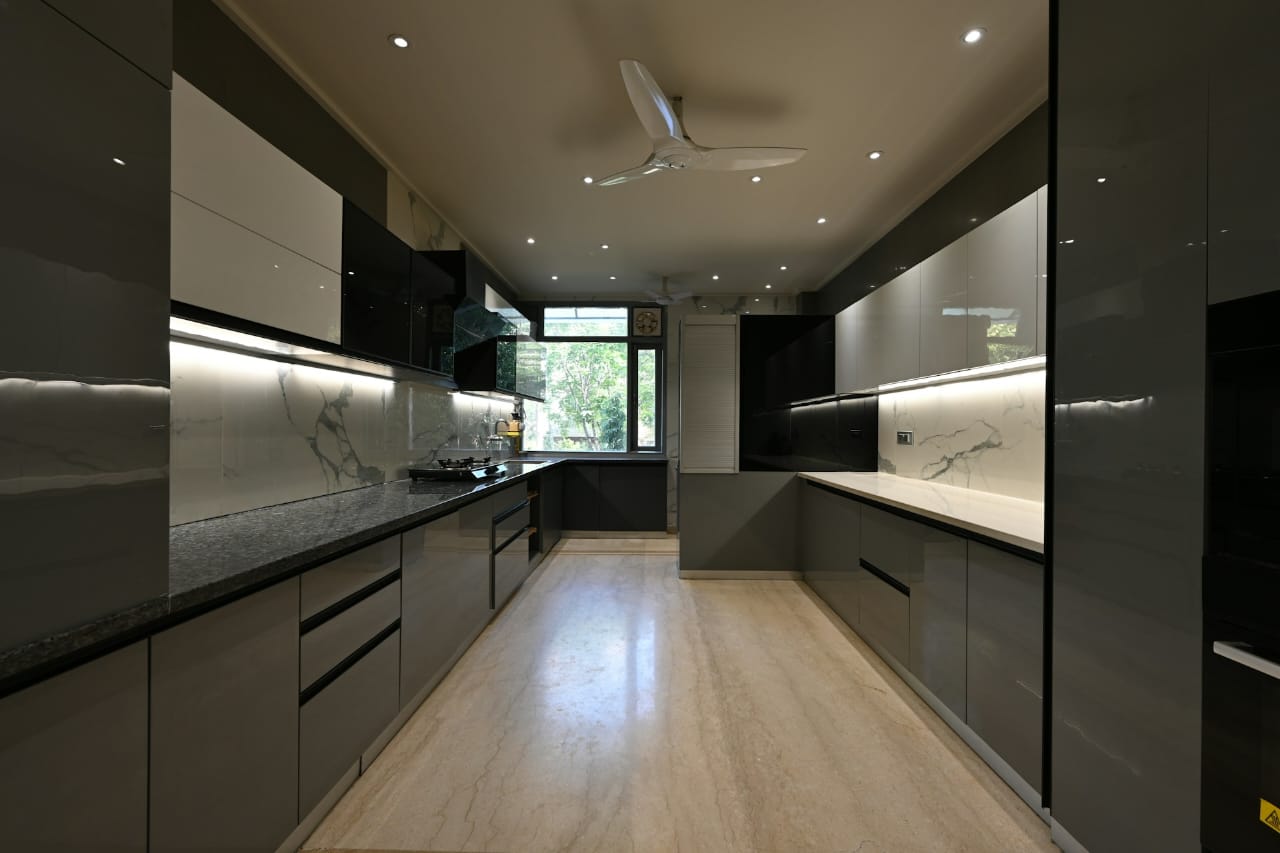
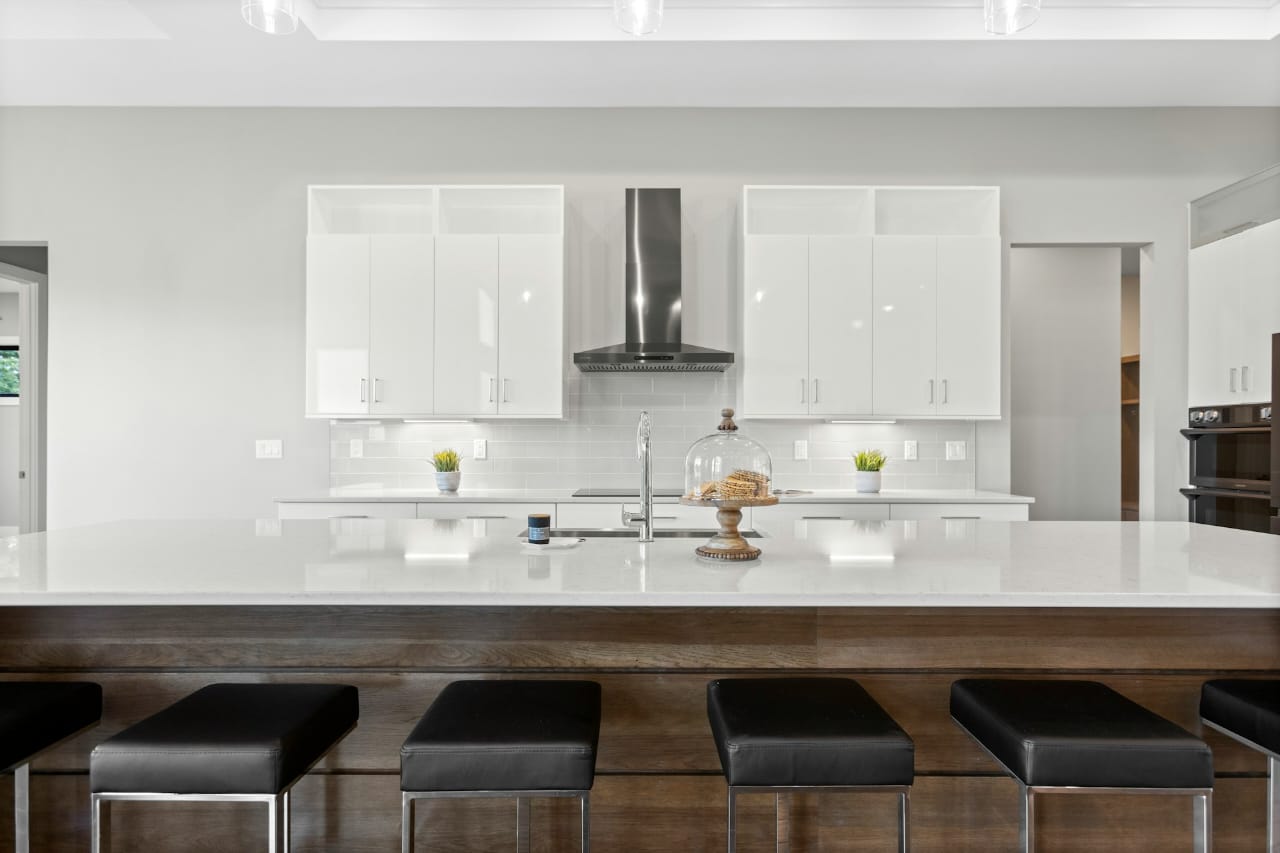
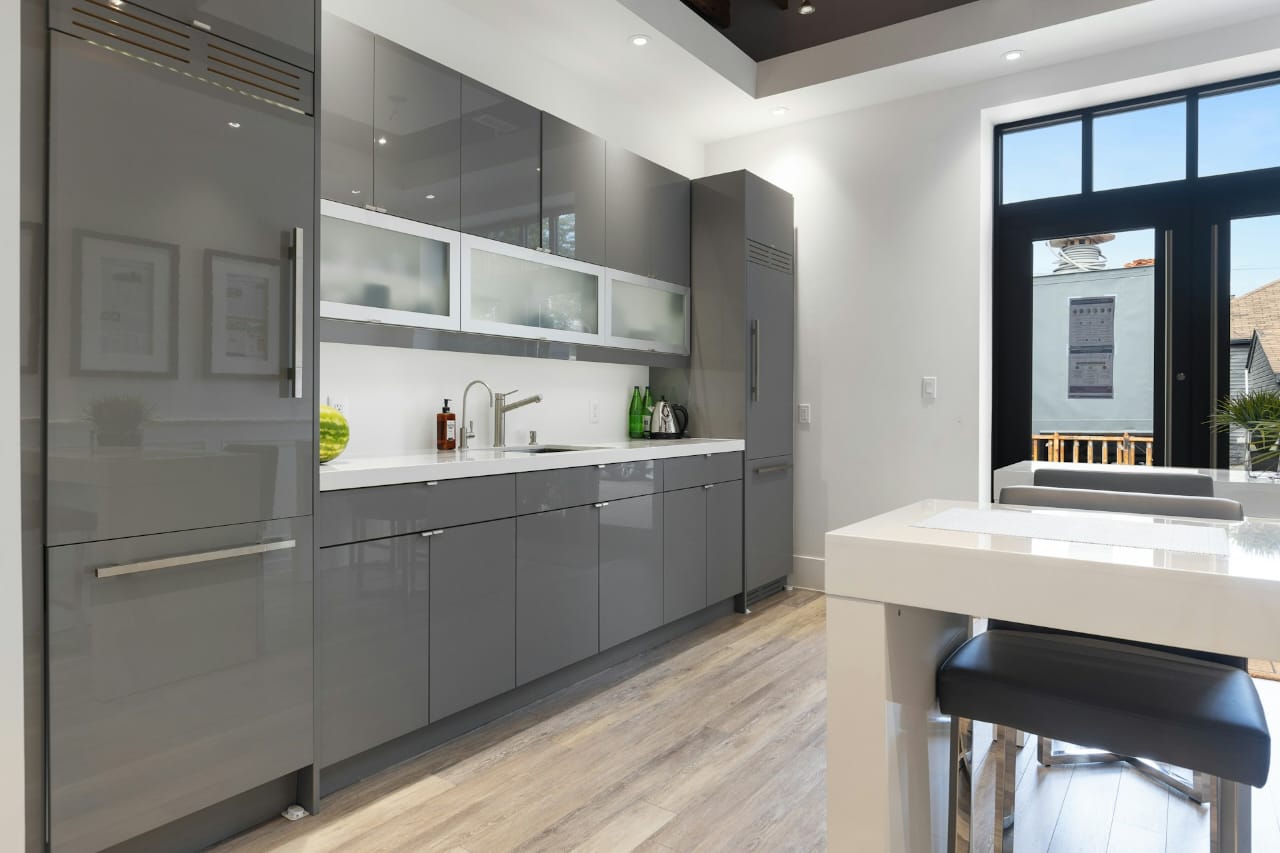
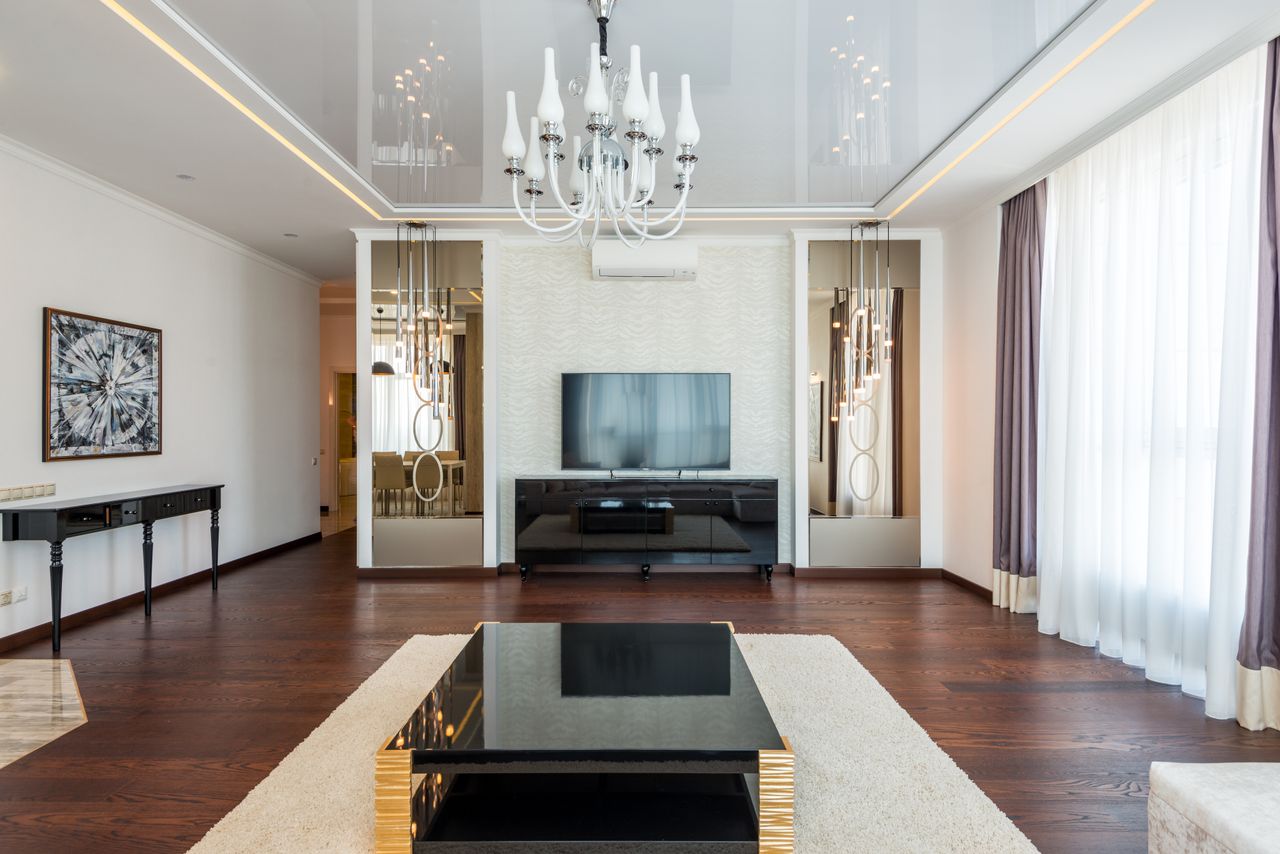
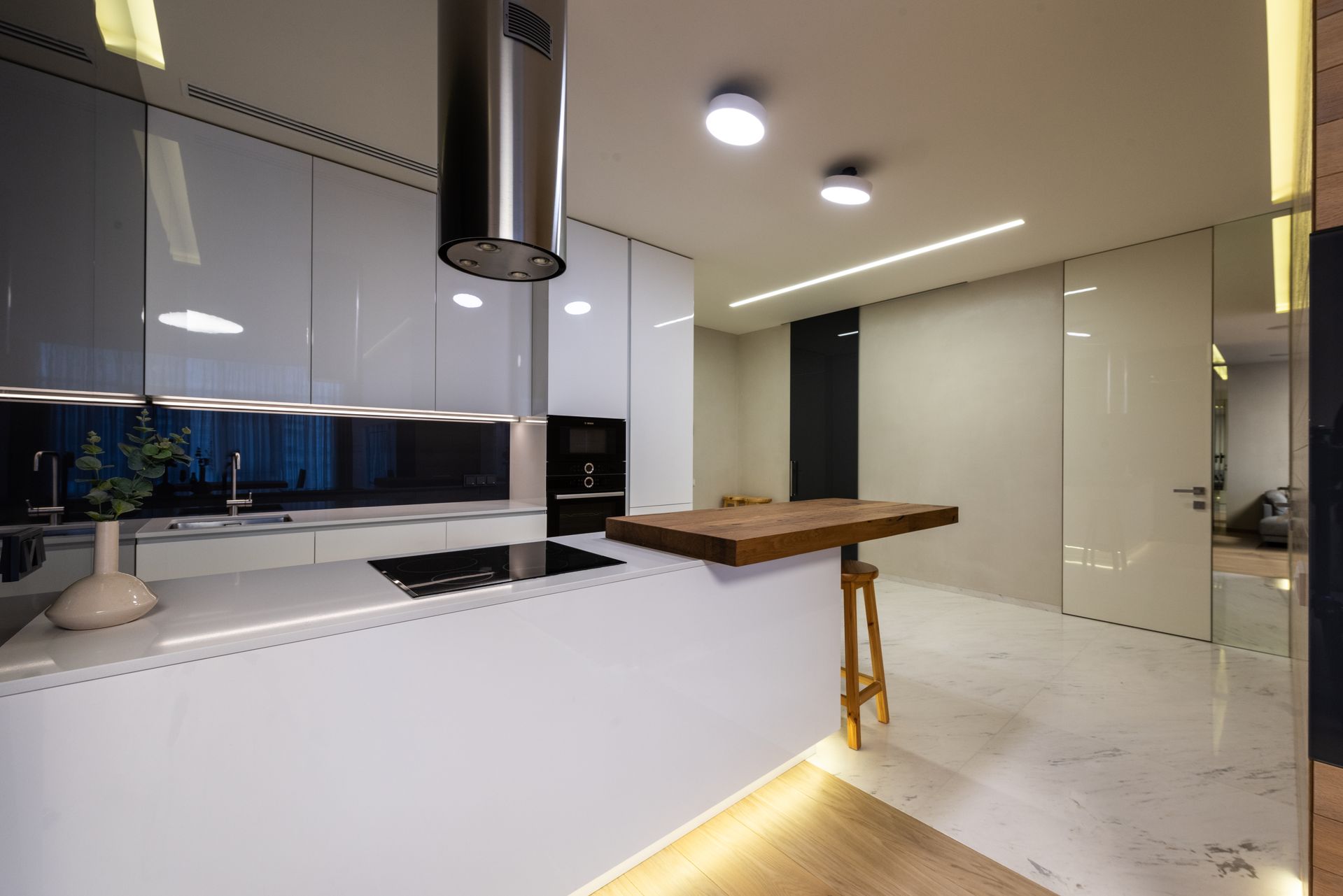
High-Gloss Project Gallery
A look at the surface preparation, application, and finished results across recent high-gloss walls, ceilings, and millwork projects.
What High Gloss Cannot Hide
High gloss is not a coating designed to conceal imperfections. It is a finish that highlights them.
Existing walls and ceilings may require considerably more preparation than a conventional repaint. The amount of correction required depends on the existing substrate, previous repairs, texture, lighting, and desired level of reflectivity.
During the consultation, we evaluate the surface and discuss the level of finish appropriate for the project.
The Techniques Behind Every Finish
HVLP & Spray Application
The right application method chosen for the surface and coating — HVLP, airless, air-assisted airless, or hand application — never the fastest option on the schedule.
Custom Color Matching
Precise color and sheen matching from the coating houses architects and designers actually specify, confirmed with a physical drawdown sample before we start.
High-Gloss Painting for Naples Luxury Homes
High-gloss finishes are particularly effective in contemporary residences, statement rooms, formal entertaining spaces, dramatic ceilings, architectural millwork, and custom interiors throughout Naples and Southwest Florida. The finish can be used selectively as an architectural accent or carried throughout an entire space depending on the design.
High-Gloss Painting FAQs
Why does high-gloss painting take longer than conventional painting?
High-gloss finishes often require substantially more surface preparation and greater attention during application and inspection. Additional sanding, correction, priming, recoating, curing, and inspection may be necessary depending on the existing surface and selected coating system. The goal is not simply to complete the work quickly—it is to produce the finish the project requires.
Is high-gloss paint suitable for walls?
Yes. High-gloss walls can create a dramatic architectural effect, particularly in contemporary and highly designed interiors. Because reflective finishes emphasize imperfections, the existing surface must be appropriately prepared.
Can you apply high gloss to a ceiling?
Yes. High-gloss ceilings are one of our specialty applications and can create exceptional depth and reflection when properly prepared and finished.
Does high gloss require more preparation?
Yes. The increased reflectivity of high-gloss coatings can make surface imperfections more apparent, making preparation particularly important.
Can you make an existing textured wall high gloss?
Potentially, but the texture may need to be substantially reduced or removed first depending on the desired result. The existing substrate needs to be evaluated before determining the appropriate preparation process.
Can dark colors be used in high gloss?
Yes. Dark high-gloss colors can produce an especially dramatic result, but they also tend to reveal surface imperfections more readily.
Is high gloss difficult to maintain?
The maintenance requirements depend on the coating system and application. Properly selected and applied coatings can be cleaned and maintained, but care should be taken to follow the coating manufacturer's recommendations.
How much does high-gloss painting cost?
High-gloss projects vary considerably in cost because the preparation required can be substantially different from one surface to another. The existing substrate, square footage, number of coats, coating system, color, sheen, and desired level of finish all influence the scope. We evaluate the project before providing a detailed estimate.